US Export Controls Fail as Nvidia AI Chips Reach Empty Chinese Shell Firms
Federal regulators have cleared advanced Nvidia processors for distribution to Chinese entities with empty offices and blacklisted backers. The lapse highlights the structural conflicts of a revenue-sharing export model.
Key Takeaways
- New Matrix was created 17 months ago and maintains an empty office with dangling wires.
- The US government takes a 15-percent cut of all Nvidia sales to China.
- Owners of approved firms have ties to a Chinese private equity firm blacklisted since 2024.
What Happened
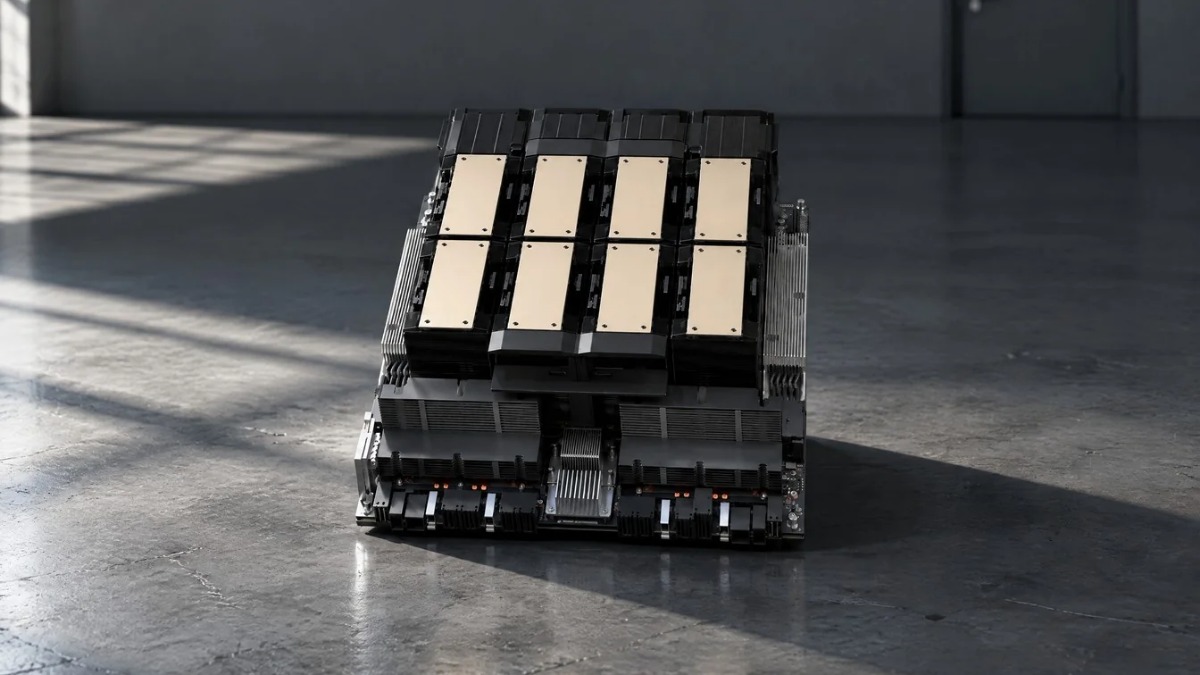
According to reports from The New York Times and The Verge, the United States government has approved the sale of advanced Nvidia H200 AI chips to Chinese firms connected to blacklisted entities. Investigations into approved buyers revealed alarming operational vacuums.
One approved entity, New Matrix, was established 17 months ago. Investigators found that its listed office address contained no corporate directory listing, and property management staff had no record of the firm, describing the space as an empty shell with wires dangling from the ceiling.
The Context
During the Biden presidency, strict limits barred Nvidia from selling its high-performance AI hardware to the Chinese market. However, the subsequent administration relaxed those restrictions following an intense lobbying campaign led by Nvidia CEO Jensen Huang, who also faced an alleged spying plot by China’s Ministry of State Security.
The revised framework permitted sales under a specific fiscal arrangement: Nvidia agreed to give the federal government a 15-percent cut of all transactions.
The Blind Spot
Mainstream coverage has framed the incident as a simple bureaucratic oversight by the Commerce Department. The deeper structural reality is far more transactional.
When the state derives a direct financial percentage from high-value technology exports, the institutional incentive shifts from strict containment to maximizing transaction volume. Due diligence naturally degrades when regulatory gatekeepers become financial beneficiaries of the trade they are mandated to restrict.
Winners and Losers
Nvidia and the US Treasury capture immediate financial upside from the high-margin hardware sales. Concurrently, Chinese intermediaries gain access to critical computing infrastructure despite existing trade prohibitions.
The losers are national security architects and allied states attempting to maintain a technological chokehold on Beijing, as containment protocols are hollowed out by profit motives.
What to Watch
Congressional oversight committees are expected to demand transparency regarding the Commerce Department licensing criteria. Observers will monitor whether the administration adjusts its vetting procedures or maintains the revenue-sharing export pipeline.
Sources Consulted
- The Verge: The US let Nvidia sell chips to an empty office in China
- shattered.io: Nvidia H200 Firm Was 17 Months Old, Office Empty [2026]
- The New York Times: U.S. Cleared Nvidia Chips to Chinese Firms With Empty Offices and Troubling Ties
- Pasquale Pillitteri: Report reveals Nvidia H200 China licenses went to two firms with empty offices
- ShiftDelete.Net: Nvidia H200 China Licenses Went to Firms With Empty Offices