Guatemalan Lawmaker Murder Highlights Rising Political Risk Ahead of National Elections
An armed ambush in eastern Guatemala leaves a member of congress and three officers dead. The attack underscores the lethal overlap between organized crime corridors and national political party realignment.
Key Takeaways
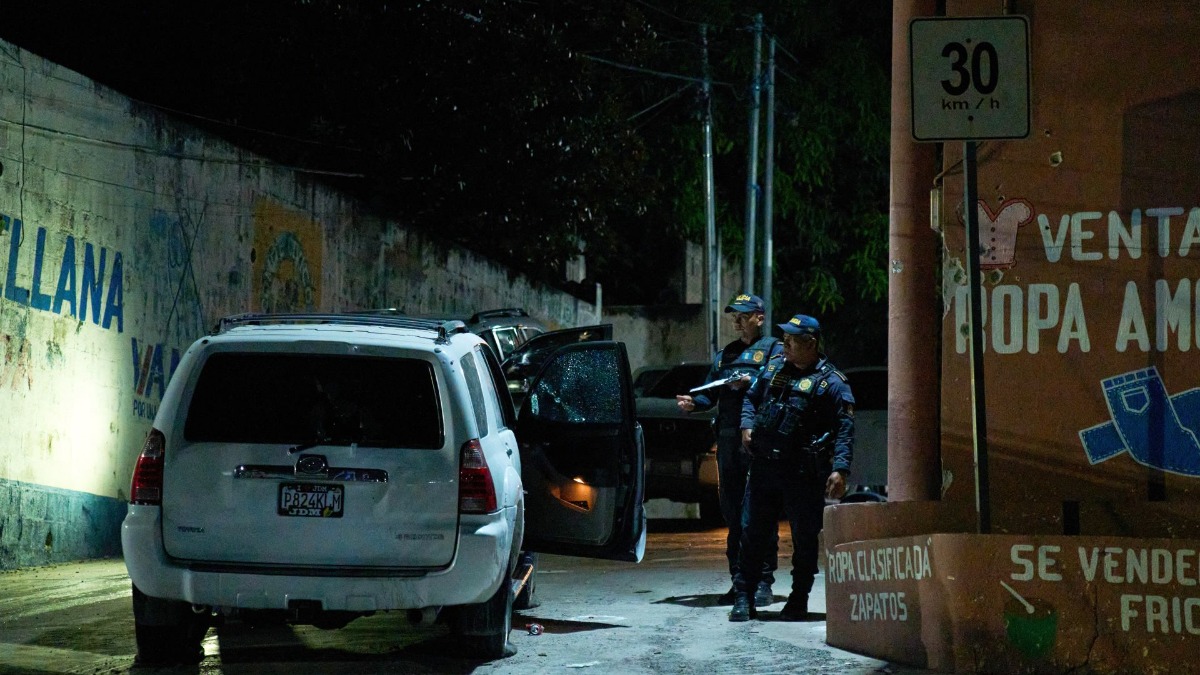
- Congressman Julio Cesar Portillo Paz and 3 National Civil Police officers were killed in Rio Hondo, Zacapa department.
- Portillo was elected in 2023 under the Cabal banner before joining the National Unity of Hope (UNE) party led by Sandra Torres.
- The attack occurred approximately 3 weeks after former anticorruption prosecutor Juan Francisco Solorzano Foppa was shot dead in Guatemala City.
- Zacapa department is controlled by the Lorenzana family cartel, which operates with links to Mexico's Sinaloa cartel.
What Happened
According to Guatemalan authorities and official statements from Congress, lawmaker Julio Cesar Portillo Paz and three officers of the National Civil Police were killed in an armed ambush on Friday. The incident took place in the town of Rio Hondo, located within the eastern department of Zacapa.
Portillo was initially transported to a local hospital suffering from severe injuries, but his death was later confirmed by the National Unity of Hope (UNE) party, to which he belonged. President Bernardo Arévalo confirmed that the three police officers died in the line of duty and stated that security forces had been directed to assist prosecutors in investigating the killings. Official authorities have not released a motive or named specific suspects.
The Context
The department of Zacapa is widely recognized by security analysts and local law enforcement as a hub for drug trafficking activity. Control of the region's illicit trade routes rests largely with the Lorenzana family cartel, an organization linked directly to Mexico's Sinaloa cartel.
Portillo won his legislative seat during the 2023 elections representing the opposition party Cabal, but later defected to the UNE party led by former First Lady Sandra Torres, who is expected to compete in Guatemala's upcoming presidential contest. The ambush follows the murder of former anticorruption prosecutor Juan Francisco Solórzano Foppa roughly three weeks earlier in Guatemala City, an event that escalated domestic concerns regarding political violence.
The Blind Spot
Mainstream reporting treats the Rio Hondo ambush primarily as a routine security incident within a high-crime territory. However, the blind spot lies in how regional narcotics syndicates intersect with structural party movements as the country approaches its next election cycle.
Portillo's transition from Cabal to UNE reflects broader realignments within Guatemala's congress. In border departments like Zacapa, political authority rarely operates independently of organized crime dynamics. The sudden elimination of a sitting representative in cartel-dominated territory demonstrates the growing leverage transnational trafficking syndicates hold over political candidate stability and party machinery.
SPOT.
The Story in 30 Seconds
Watch the video briefing with the essentials and the blind spot of this story.
Watch on InstagramWinners and Losers
Transnational criminal syndicates, including proxies of the Sinaloa cartel, gain tactical momentum by demonstrating that high-ranking state officials and armed police escorts can be eliminated with near impunity. These organizations solidify territorial dominance over key transit routes.
Conversely, President Bernardo Arévalo's administration bears the political cost. Rising insecurity damages state credibility, deters foreign investment, and hampers efforts to restore confidence in public institutions. Political parties operating in peripheral departments also face heightened extortion and security costs.
What to Watch
Observers must track whether the public ministry establishes official links between the murder of Portillo and the recent assassination of Solórzano Foppa. Any evidence of coordinated political targeting would mark a distinct shift toward systematic political violence.
Additionally, party dynamics within the Guatemalan Congress warrant close attention. As Sandra Torres prepares her presidential bid, security conditions in rural electoral districts like Zacapa will dictate how parties form alliances and conduct campaigns under the shadow of criminal cartels.
Sources Consulted
- Al Jazeera: Guatemalan lawmaker and three police officers killed in armed attack
- South China Morning Post: Guatemalan lawmaker, 3 police officers killed in armed attack
- https://novanews.co.za/: Guatemalan lawmaker, three police officers killed in armed attack
- Latest news from Azerbaijan: Guatemalan lawmaker and three police officers killed in armed attack
- Internazionale: Guatemalan lawmaker, three police officers killed in armed attack